

Walking into a bullion dealer NYC for the first time can feel exciting, maybe you’ve been watching gold prices climb, or you inherited some coins and want to add to them. But excitement without preparation is where costly errors happen. After talking with countless buyers over the years, the team at 47 Street Bullion has seen the same missteps play out again and again. Here’s what to watch out for before you spend a single dollar.
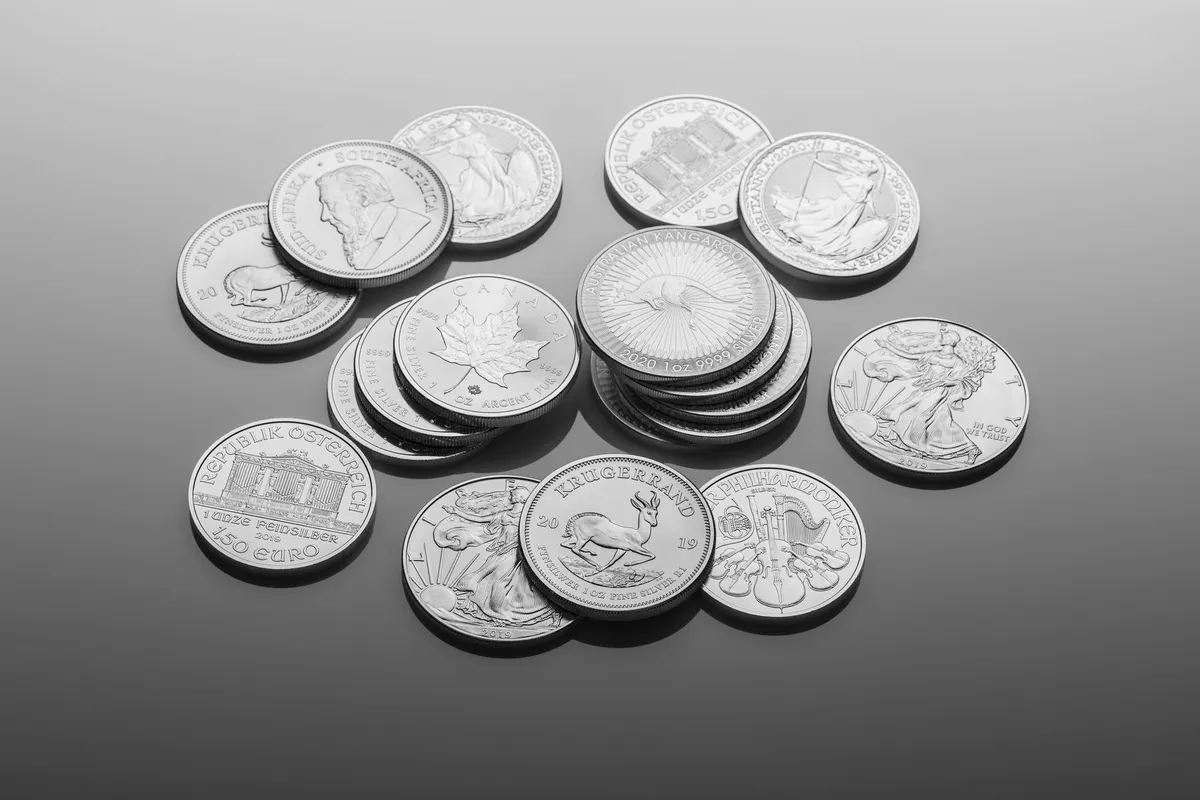
Paying Too Much Attention to the Spot Price, and Not Enough to the Premium
Most new buyers fixate on the gold or silver spot price. They check it obsessively, wait for a dip, then walk in feeling smart. What they don’t account for is the premium over spotthe markup a dealer charges above the raw metal value to cover minting, handling, and profit margin.
That premium varies wildly depending on what you’re buying. A one-ounce American Gold Eagle typically carries a higher premium than a gold bar of the same weight. Collectible coins can carry premiums so steep that the metal content barely justifies the purchase if your goal is straightforward wealth preservation. Before you buy anything, ask the dealer to break down exactly what you’re paying above spot and why. A reputable shop will tell you without hesitation.
The lesson: spot price is just the starting line. The total cost is what actually matters.
Buying the Wrong Product for What You Actually Want
There’s a real difference between buying bullion as an investment and buying it as a collector. Plenty of people blur that line and end up disappointed.
If you want a straightforward store of value, government-minted bars and coins with low premiums and high liquidity are generally your best bet, think gold bars, silver rounds, or well-known sovereign coins. If you’re drawn to numismatic or semi-numismatic pieces, understand that their value depends heavily on condition, rarity, and collector demand, not just metal content. Those factors are far harder to predict than commodity prices.
Dealers who’ve been in this business for decades will tell you the same thing: be honest with yourself about your goals before you buy. Are you protecting wealth? Building a collection? Speculating on a particular coin’s appreciation? Each goal calls for a different strategy, and buying the wrong product for your purpose is a mistake that’s expensive to undo. If you’re still figuring out what type of product fits your situation, this guide on the different types of bullion is a solid place to start.

Skipping the Verification Step Entirely
This one stings to talk about, but it happens. Counterfeit gold and silver products exist, and they’ve gotten more sophisticated. Tungsten-filled gold bars, fake Silver Eagles, plated rounds, the market has seen them all.
When you buy from an established, well-reviewed dealer, you’re paying in part for the assurance that what you’re getting is genuine. But that doesn’t mean you should be passive about it. Ask how the shop authenticates products. Reputable dealers use tools like Sigma Metalytics testers, ultrasonic thickness gauges, and acid tests. Some use X-ray fluorescence equipment for higher-value pieces.
If you’re buying online or from a private seller, the risk multiplies significantly. Many customers who’ve come through 47 Street Bullion’s doors on West 47th Street have shared that they wish they’d bought from a verified local source first, rather than discovering a problem after the fact. The peace of mind that comes with face-to-face transactions and proper authentication is genuinely worth something, especially when you’re spending thousands of dollars.
Before your first visit, it helps to know what to expect from the process. These tips for your first visit to a local precious metals shop can help you walk in prepared and confident.
Ignoring Storage and Insurance Until After the Purchase
You’ve done your research, you’ve bought quality metal at a fair price, now what? A surprising number of buyers don’t think seriously about storage until they’re standing at the door with a bag of gold coins and no plan.
Keeping significant amounts of bullion at home carries real risks: theft, fire, flood, and the challenge of insuring it properly. Standard homeowner’s policies often cap precious metals coverage at a few thousand dollars. If you’re holding more than that, you need a separate rider or a dedicated policy, and you need to read the fine print carefully.
The alternative is third-party storage through a vault service. Several reputable facilities in New York offer allocated storage, meaning your specific coins or bars are set aside in your name rather than pooled with other clients’ holdings. It costs money, but for larger positions it’s often the smarter call.
The point is simple: storage and insurance aren’t afterthoughts. They’re part of the cost of owning physical metal, and they should factor into your decision before you buy, not after.
Rushing the Sale Because Prices Are Moving
Markets move fast. Gold spikes, silver surges, and suddenly everyone feels urgency. That urgency is exactly when mistakes happen.
Buyers who rush tend to skip comparison shopping, overlook premium differences between products, and sometimes walk into shops that don’t have their best interests in mind. A dealer who pressures you to decide immediately is a red flag. Legitimate shops are transparent about pricing and comfortable giving you time to think.
Take a breath. Check current pricing from a few sources. Understand what you’re buying and why. The metal will still be there tomorrow, and a well-considered purchase almost always beats a panicked one.
Buying bullion in New York is one of the smartest financial moves you can make, this city has one of the most competitive and transparent precious metals markets in the country. Just go in with your eyes open, ask the right questions, and work with people who’ve earned their reputation the hard way.
Frequently Asked Questions
How do I know if the premium a shop is charging me is reasonable or too high?
Ask the dealer to break down exactly what you’re paying above spot price and why, a reputable shop will do this without hesitation. As a general reference point, a one-ounce American Gold Eagle typically carries a higher premium than a gold bar of the same weight, so the product type matters a lot. If a dealer is vague or evasive about the premium breakdown, that’s a signal to walk out and find someone more transparent.
What authentication tools should I expect a legitimate shop on 47th Street to use?
Reputable dealers use tools like Sigma Metalytics testers, ultrasonic thickness gauges, and acid tests as standard practice, with X-ray fluorescence equipment used for higher-value pieces. Counterfeits have gotten more sophisticated, tungsten-filled gold bars and plated rounds are real problems in the market, so it’s worth asking upfront how any shop you visit authenticates what they sell. If they can’t name specific tools or methods, that’s a red flag worth taking seriously.
My homeowner’s insurance already covers my belongings, isn’t that enough for storing gold at home?
Standard homeowner’s policies typically cap precious metals coverage at only a few thousand dollars, which falls well short if you’re holding a meaningful position. You’d need a separate rider or a dedicated policy, and the fine print matters, coverage terms vary significantly between insurers. For larger holdings, allocated vault storage through a third-party facility in New York is often the more practical option, since your specific coins or bars are set aside in your name rather than pooled with other clients’ metal.
Is there a real difference between buying numismatic coins versus standard gold bars if I just want to protect my wealth?
Yes, and it’s a significant one. Numismatic and semi-numismatic coins derive much of their value from condition, rarity, and collector demand, factors that are far harder to predict than commodity prices, so they’re a poor fit if straightforward wealth preservation is your goal. For that purpose, government-minted bars and coins with low premiums and high liquidity, like gold bars or well-known sovereign coins, are generally the better choice.
What’s actually wrong with waiting for gold prices to drop before buying, isn’t that just being smart?
Watching the spot price isn’t the problem; the mistake is treating it as the whole picture when the premium you pay on top of spot is what determines your real cost. Beyond that, urgency created by a price spike is exactly when buyers rush, skip comparison shopping, and sometimes end up in shops that don’t have their interests in mind. A well-considered purchase made with full information beats a panicked one timed to a price movement almost every time.
Leave a Reply