
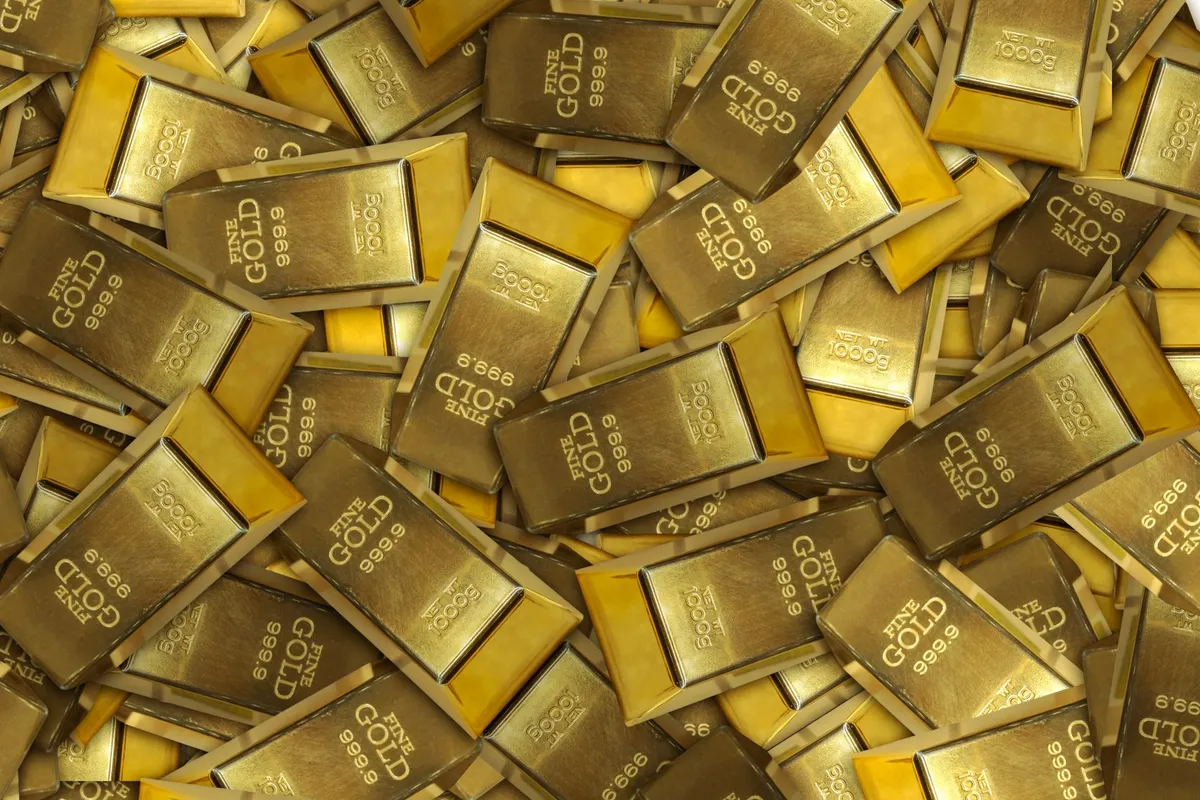
Walking into a bullion dealer NYC for the first time can feel a little like stepping onto the floor of the stock exchange, there’s energy, there’s terminology you might not fully recognize, and everyone around you seems to know exactly what they’re doing. The good news? A little preparation goes a long way. Whether you’re looking to buy your first gold coin, sell inherited silver, or simply get a feel for what your metals are worth, knowing what to expect before you walk through the door makes the entire experience smoother, smarter, and more profitable.
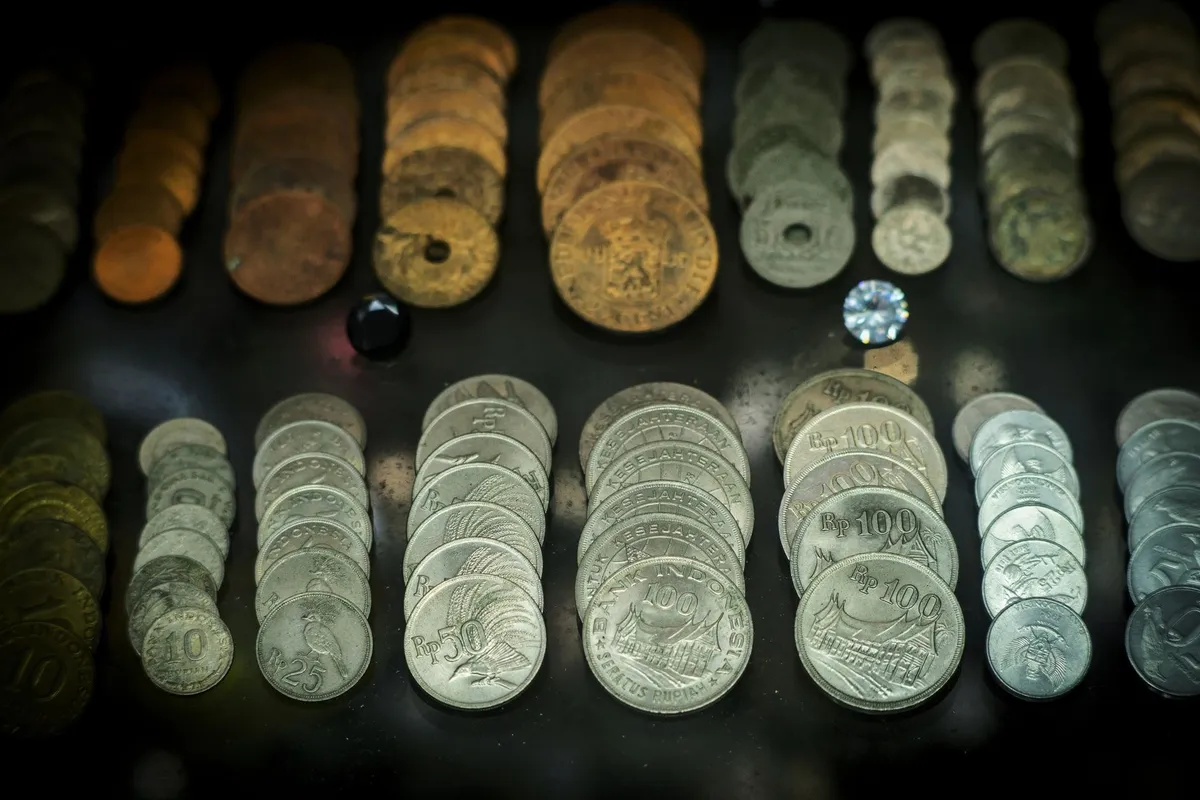
Leave the Guesswork at Home, Know What You’re Bringing
One of the most common mistakes first-time visitors make is showing up without a clear understanding of what they have. If you’re selling, this matters more than you might think. Gold and silver come in many forms, coins, bars, jewelry, rounds, and even scrap, and each category is evaluated differently. A 1 oz American Gold Eagle is not priced the same way as a gold chain of similar weight, even if both contain the same metal.
Before your visit, do a quick inventory. Note any hallmarks or stamps on your pieces. Look for markings like “999,” “925,” or “14K”, these tell a dealer the purity of the metal at a glance. If you have coins, try to identify them. A Morgan Silver Dollar, for example, carries both melt value and potential numismatic value. Knowing the difference between the two before you walk in puts you in a much stronger position at the counter.
If you’re buying rather than selling, it helps to read up on the different types of bullion available so you can walk in with a clear sense of what format, coins, bars, or rounds, best fits your investment goals.
Spot Price Is Your Best Friend (Once You Understand It)
Every transaction at a reputable precious metals shop is anchored to something called the spot price, the current market price per troy ounce for gold, silver, platinum, or palladium. This number fluctuates throughout the trading day, and it forms the baseline for every buy and sell offer you’ll receive.
When you sell, you’ll typically receive a percentage below spot. When you buy, you’ll pay a percentage above it. That spread, the difference between the two, is how dealers operate. This isn’t a hidden fee or a trick; it’s simply the cost of doing business, and any transparent shop will explain it clearly. At 47th Street Bullion, located in the heart of Manhattan’s diamond and jewelry district, that transparency is something customers consistently point to as one of the reasons they come back.
Check the spot price before you leave the house. There are free apps and websites that update in real time. Knowing where gold or silver is trading that morning means you can quickly assess whether an offer is fair, and it signals to the dealer that you’re an informed customer, which tends to result in better service.

What to Actually Expect When You Walk In
The atmosphere at a professional metals shop is typically more straightforward than people expect. You’re not going to be pressured, and you’re not going to be rushed, at least not at a reputable establishment. A good dealer will examine your items, explain how they’re being evaluated, and give you a clear offer before asking for a decision.
Bring a valid government-issued ID. Most dealers are required by law to record identification for transactions over a certain threshold. This is standard practice and nothing to be concerned about, it’s part of compliance regulations that protect both the buyer and the seller.
If you’re selling a larger collection or something unusual, antique coins, foreign currency, or estate jewelry, consider calling ahead. Some dealers prefer to schedule time for more complex evaluations rather than handling them during a busy walk-in window. That small step can mean a more thorough appraisal and a better offer for you.
Many first-time sellers are pleasantly surprised by how straightforward the process is. The sentiment shared by repeat customers is consistent: they wish they hadn’t waited so long to come in, and they appreciated that the process felt honest rather than transactional.
Timing and Market Conditions Actually Matter
Here’s something most people don’t think about until after the fact, when you visit can affect what you walk away with. Precious metals prices respond to global economic events, inflation data, currency movements, and geopolitical uncertainty. During periods of high demand or market volatility, spreads can tighten and premiums on popular coins can spike.
If you’re buying, a quieter market period often means better pricing on inventory. If you’re selling, a rising gold or silver price means your offer will reflect stronger spot values. You don’t need to time the market perfectly, but staying loosely aware of what’s happening in the broader economy gives you context for the offers you receive.
For a deeper look at how seasonal trends can affect your strategy, the fall investment guide from 47th Street Bullion breaks down how market conditions shift throughout the year and what that means for buyers and sellers alike.
NYC’s metals market moves fast, and the dealers who operate here see volume that most shops outside the city simply don’t. That experience matters. It means faster appraisals, more competitive offers, and a staff that’s genuinely seen it all. Your first visit doesn’t have to be intimidating, it just takes a little preparation and the right shop to walk into. You can explore current services and offerings before you go so you already know what to expect when you arrive.
Frequently Asked Questions
What ID do I need to bring when selling gold or silver at a metals shop in NYC?
You’ll need a valid government-issued ID, a driver’s license or passport works fine. Most shops are legally required to record your identification for transactions over a certain dollar threshold, so this is standard compliance practice, not something specific to you or your items.
How do I know if the offer I’m getting for my gold is actually fair?
Check the spot price before you leave the house, there are free apps and websites that update in real time throughout the trading day. When you sell, you’ll receive a percentage below that spot price, and knowing the current number lets you quickly judge whether the offer lines up with what a transparent shop should be paying.
Does it matter that my gold jewelry and a gold coin weigh the same, will I get the same offer for both?
No, and this is one of the most important things to understand before you walk in. A 1 oz American Gold Eagle and a gold chain of similar weight are evaluated differently, because coins can carry numismatic value on top of their metal content, while jewelry is typically assessed closer to scrap value based on purity markings like “14K” or “999.”
Should I call ahead before bringing in a large or unusual collection?
Yes, if you’re bringing antique coins, foreign currency, or estate jewelry, calling ahead is worth the two minutes it takes. Some dealers prefer to schedule time for more complex evaluations rather than squeezing them into a busy walk-in window, and that usually means a more thorough appraisal and a better offer for you.
Does it actually matter what time of year I go to buy or sell precious metals?
It can, yes. Precious metals prices respond to inflation data, currency movements, and geopolitical events, so during periods of high demand or volatility, premiums on popular coins can spike and spreads can shift. You don’t need to time the market perfectly, but staying loosely aware of what’s happening in the broader economy gives you useful context for the offers you receive.
Leave a Reply