

Understanding the Different Types of Bullion: A Guide from Your NYC Dealer
Walk into any reputable bullion dealer NYC and you’ll quickly realize there’s a lot more to this market than gold bars and silver coins. The range of products available, and the very different reasons people buy or sell them, can catch first-timers completely off guard. Whether you’re looking to build a serious precious metals portfolio or you’ve inherited a collection and have no idea what you’re holding, understanding the different types of bullion is the smartest place to start.
Gold Isn’t Just Gold, Here’s What That Actually Means
Most people assume gold is gold. Same price, same value, same story. That assumption costs people money every single day. The truth is, gold bullion comes in several distinct forms, and each one carries its own pricing structure, liquidity profile, and collector premium.
Gold bars are the most straightforward. They’re priced closest to the spot price of gold, making them the preferred choice for investors who want maximum metal for their money. A one-ounce bar from a recognized mint like PAMP Suisse or Credit Suisse trades with minimal markup and is easy to sell quickly.
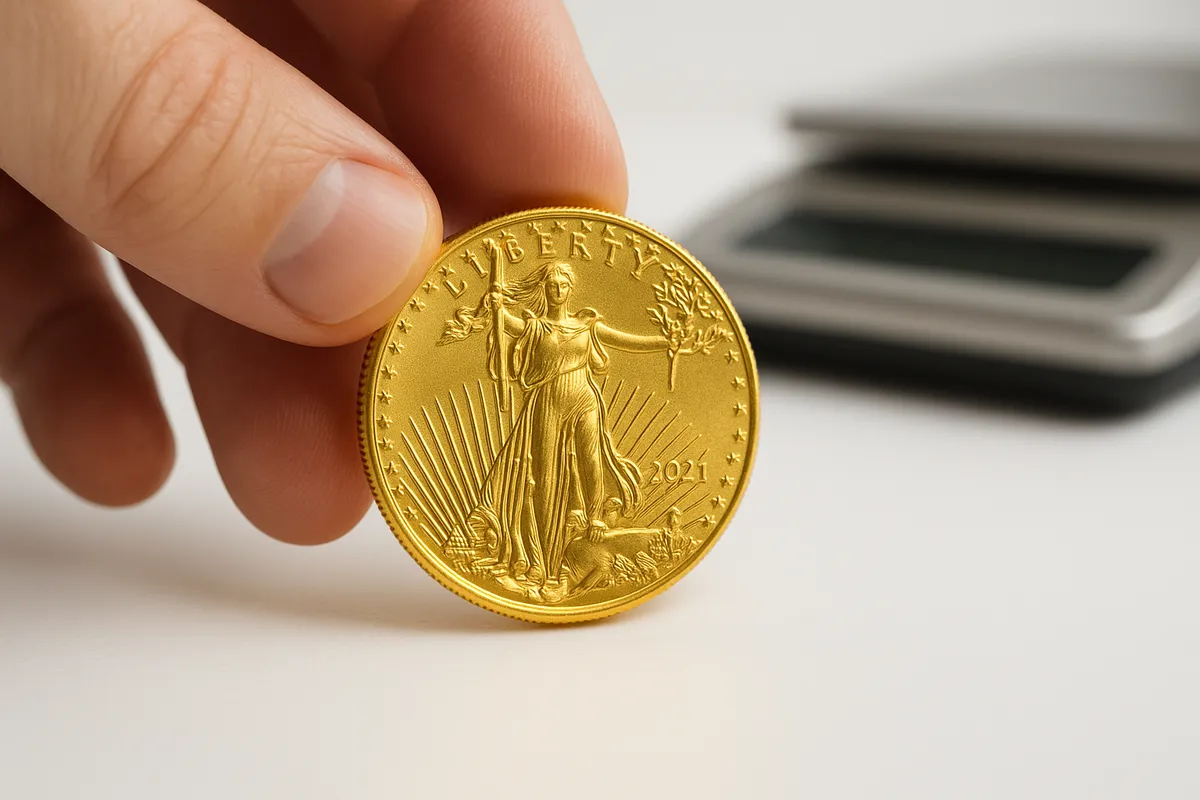
Gold coins are a different story. Coins like the American Gold Eagle, Canadian Maple Leaf, or South African Krugerrand carry a small premium over spot because of their government-backed status and collectibility. Some coins, particularly older or limited-edition issues, carry significant numismatic value on top of their melt value. That’s a crucial distinction, numismatic value depends heavily on condition, rarity, and collector demand, not just the gold content.
Gold rounds sit somewhere in between. They look like coins but aren’t government-issued, which means they trade closer to bar pricing. They’re a solid option for buyers who want the aesthetic of a coin without paying the full premium.
Knowing which category your gold falls into before you walk through the door matters. Dealers who have been in this business for decades can spot the difference in seconds, and price accordingly.
Silver: The Most Misunderstood Metal on the Market
Silver gets underestimated constantly. People see the lower price per ounce and assume it’s a lesser investment. But silver bullion has its own compelling case, and the variety of products available is actually broader than gold.
Silver bars range from one-ounce pieces all the way up to 100-ounce and 1,000-ounce commercial bars. The larger the bar, the closer to spot price you’ll typically pay or receive. For buyers, that’s efficient. For sellers, it means fast transactions with minimal haggling.
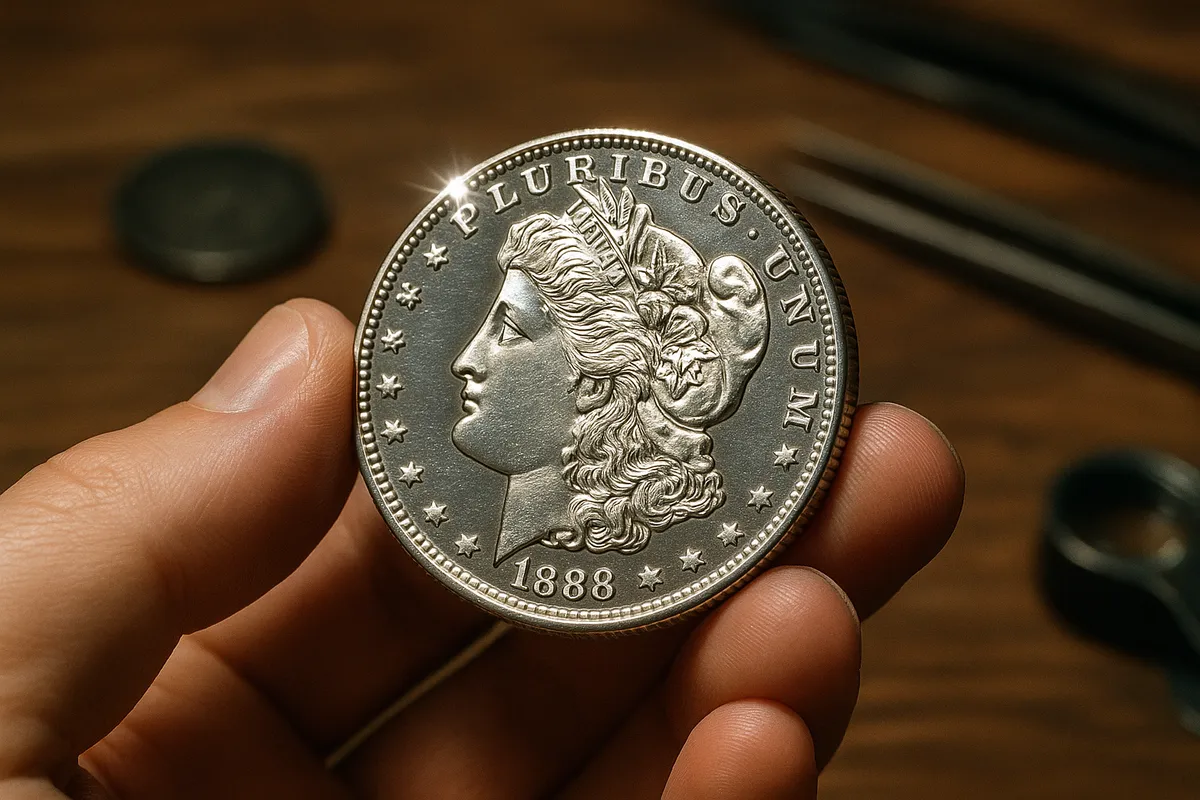
Silver coinsparticularly the American Silver Eagle, are among the most traded bullion products in the country. They’re recognized everywhere, liquid, and carry a modest government-backed premium. Junk silver, which refers to pre-1965 US coins made of 90% silver, is another category entirely. Dimes, quarters, and half-dollars from that era are traded by their silver content, not their face value, and they’re a popular entry point for new buyers because of the lower price per piece.
One thing many people don’t realize: silver tarnishes. That dark patina on older silver coins doesn’t necessarily reduce their bullion value, but it can affect numismatic value significantly. A seasoned dealer will evaluate the metal content separately from the coin’s condition, and you should understand that distinction before selling anything.
For a broader look at how to approach buying and selling precious metals strategically, the team at 47th Street Bullion put together a useful guide on making smarter investment decisions that’s worth reading before your first visit.
Platinum and Palladium, The Metals Most People Forget About
Gold and silver get all the attention, but platinum and palladium have carved out a serious place in the bullion market, and their pricing can be volatile in ways that create real opportunity for informed buyers and sellers.
Platinum is rarer than gold, and historically traded at a premium to it. That relationship has shifted in recent years, which means platinum is currently considered undervalued by many analysts. Platinum bars and coins, particularly the American Platinum Eagle, are available through most established dealers and offer a genuine diversification play.
Palladium is the wild card. Driven largely by industrial demand from the automotive sector, palladium prices have swung dramatically over the past decade. It’s not the right metal for every investor, but for those who understand the supply dynamics, it can be compelling. Palladium coins and bars are less commonly stocked than gold or silver products, so availability varies by dealer.
The key with both metals is working with someone who actually trades them regularly and understands current market conditions. Many customers who’ve come through 47th Street Bullion mention that the transparency around pricing, especially for less common metals, was what set the experience apart from other shops they’d visited. That kind of straightforward dealing is exactly what you need when you’re working with metals that have thinner markets and wider spreads.
What You’re Actually Buying When You Buy Bullion
Here’s something worth saying plainly: bullion is a physical asset. It doesn’t pay dividends. It doesn’t generate income. What it does is hold value in a way that paper assets often can’t during periods of economic stress. That’s the core thesis, and it’s held up over centuries.
But the type of bullion you buy shapes how easily you can sell it, what premium you’ll pay upfront, and how much you’ll recover when the time comes. Bars are efficient. Coins are liquid and recognizable. Numismatic pieces can appreciate beyond their metal content, but they require more expertise to buy and sell well.
Before making any purchase or sale, check the current pricing page to understand where the market stands. And if you want to go deeper on what separates a trustworthy shop from one that will leave you short-changed, this breakdown on choosing the right precious metals shop covers the key questions to ask before you commit.
The bottom line: the more you understand what you’re holding, the better position you’re in, whether you’re buying for the first time or selling a collection you’ve built over years.
Frequently Asked Questions About Bullion Dealer
Where can I find a reputable bullion dealer in NYC?
New York City has several well-established bullion dealers concentrated in the Diamond District along 47th Street in Midtown Manhattan, as well as locations throughout the Financial District and other boroughs. When choosing a dealer, look for membership in industry organizations like the Professional Numismatists Guild (PNG) or the Industry Council for Tangible Assets (ICTA), as these memberships indicate a commitment to ethical business practices. Reading customer reviews on Google and the Better Business Bureau can also help you identify trustworthy dealers in your neighborhood.
What forms of gold and silver can I buy from a NYC bullion dealer?
Most NYC bullion dealers carry a wide variety of products including gold and silver coins such as American Gold Eagles, Canadian Maple Leafs, and South African Krugerrands, as well as cast and minted bars in various weights ranging from 1 gram to 100 ounces or more. Many dealers also stock platinum and palladium products for investors looking to diversify their precious metals portfolio. It’s always a good idea to call ahead or check the dealer’s website to confirm current inventory, as popular items can sell out quickly during periods of high demand.
How do NYC bullion dealers determine the price they pay when I sell my gold or silver?
Bullion dealers in NYC base their buying prices on the current spot price of gold or silver, which fluctuates throughout the trading day based on global market conditions. Dealers typically offer a percentage below the spot price to account for their overhead costs and profit margin, so you should check live spot prices on sites like Kitco or APMEX before visiting to ensure you’re getting a fair offer. The condition, weight, and purity of your bullion will also factor into the final price, and collectible or rare coins may command a premium above melt value.
Do I need to pay sales tax when buying bullion from a dealer in New York City?
In New York State, most investment-grade precious metals such as gold, silver, platinum, and palladium bullion coins and bars are exempt from sales tax, provided the purchase exceeds $1,000 in a single transaction. However, purchases below that threshold or items considered collectibles rather than investment bullion may be subject to state and local sales tax, so it’s important to clarify this with your dealer before completing a transaction. Consulting with a tax professional familiar with New York tax law is recommended if you are making large or frequent purchases.
Is it safe to carry bullion I purchase from a NYC dealer back home?
Carrying bullion through New York City is legal, but it does come with security considerations given the high value of precious metals and the busy nature of the city’s streets and public transit. Many experienced buyers choose to use discreet, unmarked bags and avoid discussing their purchase in public to minimize the risk of theft. For larger purchases, it may be worth arranging insured shipping directly from the dealer to your home or a secure storage facility, and some NYC bullion dealers offer this service for an additional fee.
Leave a Reply