
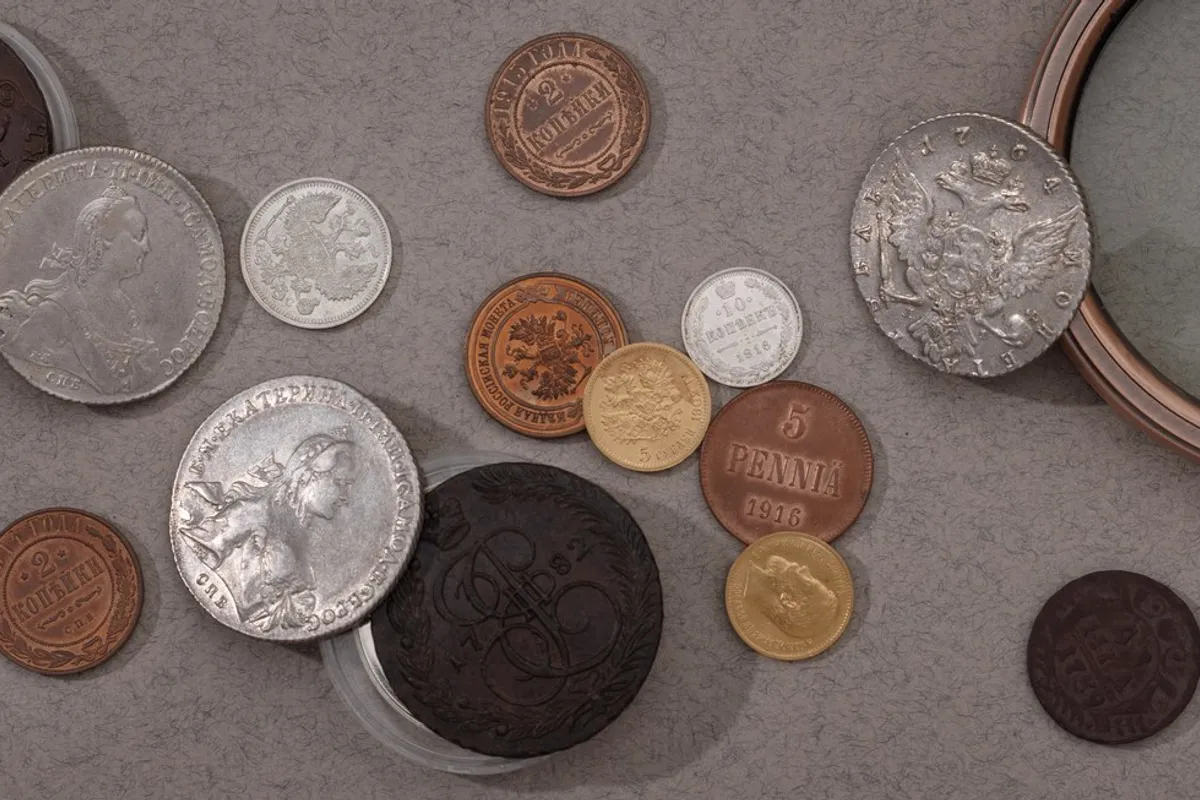
If you’ve been thinking about adding silver coins bullion to your portfolio, you’re not alone, more New Yorkers are turning to physical silver as a tangible, time-tested way to protect their wealth. But before you walk into any dealer and hand over your money, there are a few things worth understanding. The silver market has its own rules, its own quirks, and in a city like New York, its own competitive dynamics that can work either for you or against you depending on how prepared you are.
Not All Silver Is Created Equal, and the Difference Matters
One of the first things people learn when they start buying silver is that “silver” is not a single category. You’ve got government-minted coins like American Silver Eagles, Canadian Maple Leafs, and Austrian Philharmonics. Then there are privately minted rounds, which look similar but carry no face value and often trade at lower premiums. Beyond that, there’s silver in bar form, from 1-ounce bars all the way up to 100-ounce commercial bars.
Each type has a different premium over spot price, different liquidity when you go to sell, and different appeal to different buyers. Government-minted coins tend to command higher premiums because they’re universally recognized and easy to verify. Privately minted rounds are cheaper upfront but can be harder to move quickly at full value. If you’re buying silver as a long-term store of value, coins from sovereign mints are generally the smarter starting point.
Understanding these distinctions before you buy can save you real money. A good resource to get oriented is this guide on understanding the different types of bullionit breaks down the categories clearly and helps you figure out which makes sense for your goals.
The Premium Game: Where Most New Buyers Lose Money Without Realizing It
Here’s something dealers don’t always volunteer upfront: the spot price of silver, the number you see quoted on financial sites, is not what you’ll pay. Every physical piece of silver carries a premium on top of spot. That premium covers minting costs, dealer margins, and sometimes collector demand. The gap between what you pay and what you’d get if you sold tomorrow is where a lot of first-time buyers get a rude awakening.
Smart buyers pay attention to two numbers: the premium when buying and the buyback rate when selling. A dealer offering silver at a low premium but paying far below spot on buybacks isn’t doing you any favors. The best dealers are transparent about both sides of that equation. When customers at 47 Street Bullion talk about why they keep coming back, the consistency and fairness of pricing comes up again and again, they know what they’re getting before they commit.
Before your first purchase, take a few minutes to check current spot prices independently. Then compare premiums across at least two or three dealers. In New York, you have that option, use it.

Why Buying Silver in NYC Gives You an Edge Most Investors Don’t Have
There’s a real advantage to being in New York when you’re building a precious metals position. You can walk in, inspect what you’re buying, ask questions face to face, and walk out with your purchase in hand. No waiting for shipping, no worrying about whether your package got lost or damaged in transit, no dealing with a customer service inbox.
That physical access also matters when it’s time to sell. Online dealers often make buying easy but selling complicated. A local dealer who knows your purchase history and can verify your coins on the spot will almost always give you a faster, fairer transaction. If you’re serious about building a silver position that can genuinely safeguard your financial futurehaving a trusted local relationship is part of the strategy, not an afterthought.
There’s also the matter of competition. New York has enough dealers that you’re never locked into one price. That keeps everyone honest. If a dealer knows you can walk two blocks and get a better deal, they’re more likely to sharpen their offer.
Common Mistakes That Cost Buyers More Than They Expect
Buying on impulse when silver spikes in the news is one of the most reliable ways to overpay. Prices tend to run hot when headlines are dramatic, and premiums from dealers often rise right along with them. The buyers who do best are the ones who set a strategy in advance, a target price, a target quantity, and stick to it regardless of what the financial news cycle is doing that week.
Another mistake is ignoring storage. Physical silver takes up space, and storing it carelessly creates real risk. A small home safe is a reasonable starting point for modest holdings, but if you’re accumulating meaningful weight, a bank safe deposit box or a professional vault service is worth considering. Ask your dealer what options they’re aware of, a good one will have a practical answer.
Finally, don’t skip the authentication step. Counterfeit silver rounds and coins do exist. Reputable dealers test their inventory before it goes on the floor, but if you’re ever buying from a private seller or a secondary market, know how to verify what you’re getting, or bring it to a dealer who can test it for you before you hand over cash.
Silver is one of the most accessible entry points into precious metals investing, and for many people it’s where a lifelong habit of smart, tangible wealth-building begins. The key is starting with the right information and the right people around you. Visit 47 Street Bullion to see current inventory and get straightforward answers from people who’ve been doing this for years.
Frequently Asked Questions
What’s the actual difference between buying an American Silver Eagle and a privately minted round if they’re both .999 silver?
The silver content is the same, but government-minted coins like the American Silver Eagle carry a face value, are universally recognized, and are easier to sell quickly at full value because buyers don’t need to verify the source. Privately minted rounds typically come with a lower premium upfront, but when it’s time to sell, especially fast, you may find fewer buyers willing to pay what you think they’re worth. If you’re buying silver as a long-term store of value rather than a short-term trade, sovereign mint coins are the safer starting point.
How do I know if a dealer’s premium is fair before I commit to buying?
Check the spot price independently on a financial site before you walk into any dealer, then ask what the all-in price per ounce is and do the math yourself to find the premium. In New York you have multiple dealers within walking distance of each other, so get quotes from at least two or three before you hand over money. Also ask about the buyback rate, a low premium on the buy side means nothing if the dealer pays well below spot when you want to sell.
Is it actually safer to buy silver in person in NYC rather than ordering online?
For most buyers, yes, you can inspect what you’re purchasing before you pay, walk out with it the same day, and avoid any risk of a shipment being lost or damaged in transit. Selling is also more straightforward with a local dealer who can verify your coins on the spot rather than routing everything through a customer service process. The added competition between dealers in the city also tends to keep pricing more honest than you’d get from a single online source.
When is the worst time to buy silver, and how do I avoid overpaying?
The riskiest time to buy is right when silver is spiking in the news, premiums from dealers often rise alongside the spot price, so you end up paying a double premium just because of the headlines. The buyers who come out ahead are the ones who decide in advance what price and quantity they’re targeting and stick to that plan regardless of what the market is doing that week. Setting your strategy before the news cycle gets loud is the simplest way to avoid impulse purchases you’ll regret.
What should I do about storage once I start accumulating a meaningful amount of silver?
A small home safe is a reasonable starting point for modest holdings, but as your position grows in weight, the risk of keeping it at home grows with it. A bank safe deposit box or a professional vault service are the two most practical upgrades, and a reputable local dealer should be able to point you toward options they’re familiar with. Don’t treat storage as an afterthought, it’s part of the cost of owning physical metal and worth factoring in before you buy.
Leave a Reply