
There’s a reason silver keeps showing up in conversations about financial resilience. Whether you’re a seasoned investor or someone who just watched their stock portfolio take a hit, the appeal of physical precious metals is hard to dismiss. If you’ve been searching for silver bullion for sale NYCyou’re already asking the right question, now let’s make sure you get the right answers before you spend a single dollar.

Silver Isn’t Just Gold’s Cheaper Cousin
A lot of people walk into a dealer thinking of silver as the consolation prize, what you buy when you can’t afford gold. That’s a mistake. Silver has its own distinct investment profile, and in many ways it’s more dynamic than gold.
For starters, silver has enormous industrial demand. It’s used in solar panels, electronics, medical equipment, and electric vehicles. That industrial appetite creates a floor of real-world demand that doesn’t exist for gold in the same way. When manufacturing ramps up globally, silver prices tend to follow. When investors get nervous about inflation or currency instability, silver benefits from that too. You’re essentially getting two demand drivers in one metal.
The silver-to-gold ratio, the number of ounces of silver it takes to buy one ounce of gold, has historically hovered around 50:1 to 60:1. When that ratio stretches beyond 80:1 or 90:1, silver is considered historically undervalued relative to gold. Many experienced buyers use that ratio as a signal to load up on silver. It’s not a perfect predictor, but it’s a useful lens.
What You’re Actually Buying Matters More Than You Think
Not all silver products are created equal, and the form you choose affects both your purchase price and your ability to sell later. This is where a lot of first-time buyers make costly assumptions.
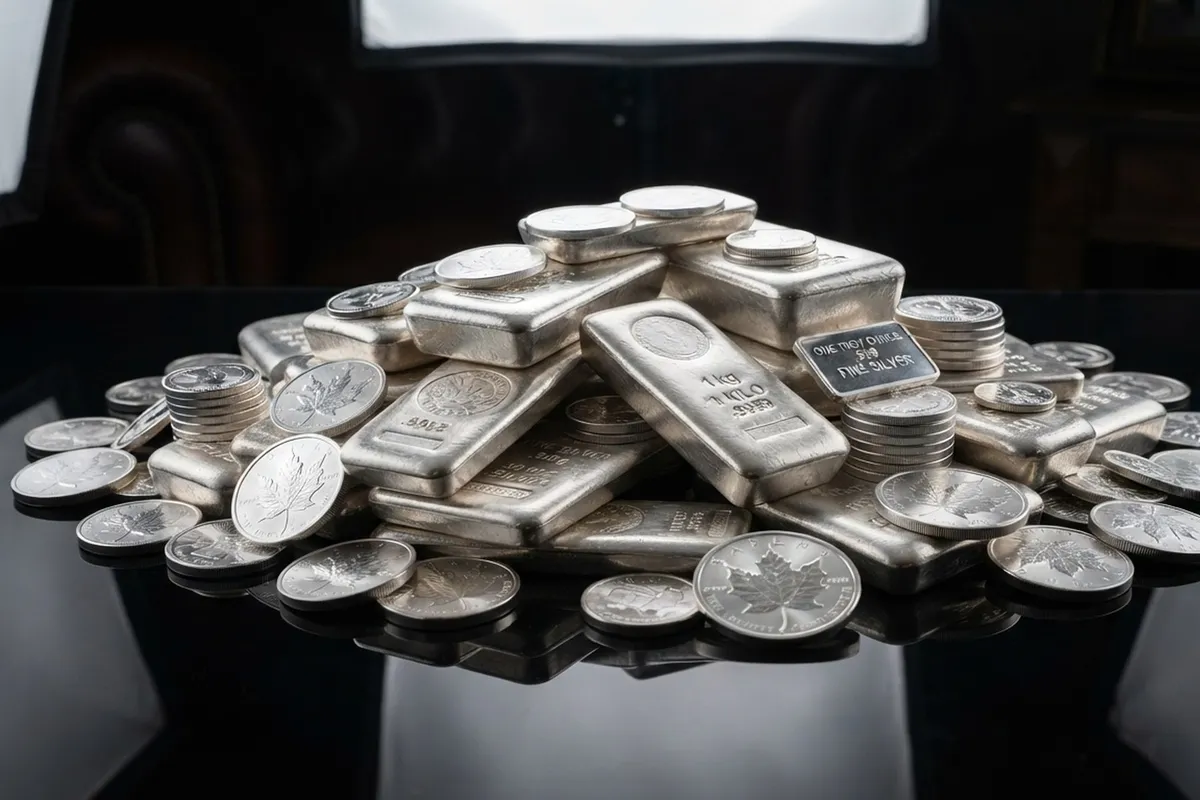
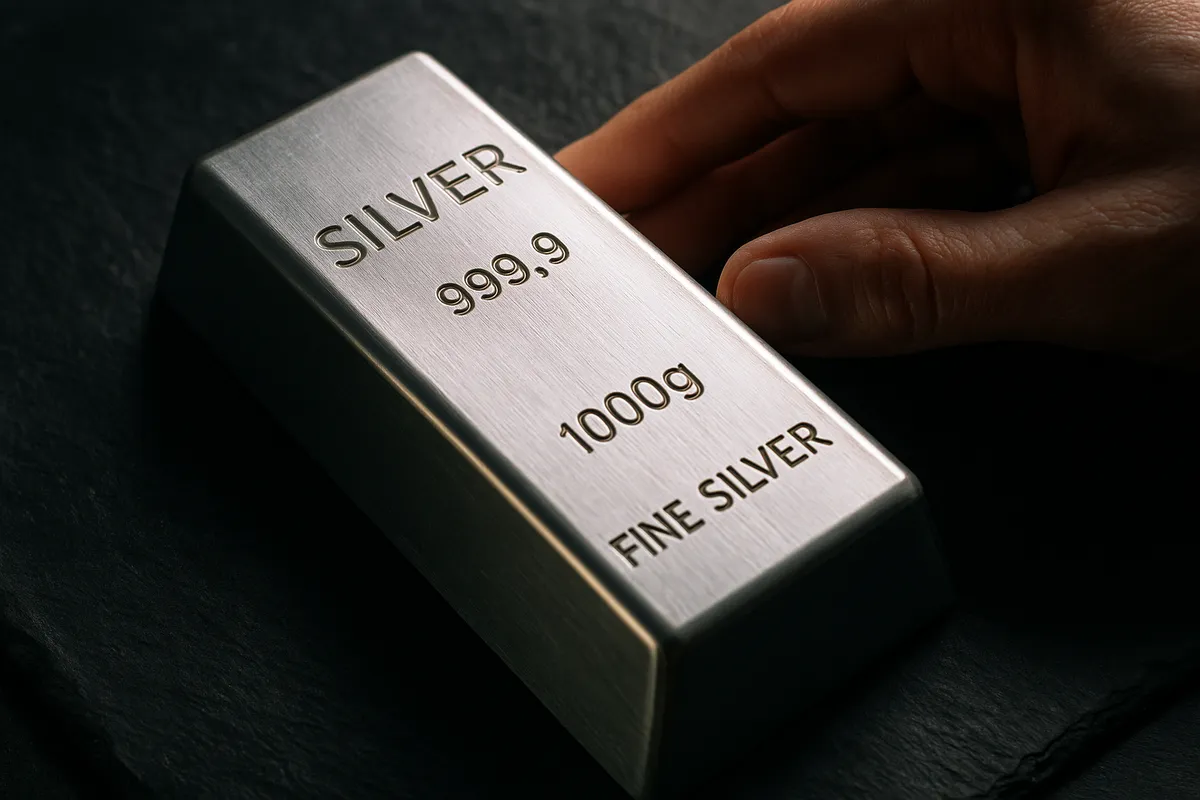
Silver rounds are privately minted coins. They carry no face value and are priced closest to the spot price of silver, making them one of the most cost-efficient ways to buy. Silver barsavailable in sizes from 1 oz to 100 oz, offer even tighter premiums at larger sizes, which makes them attractive for buyers who want maximum metal per dollar. Government-minted coins like American Silver Eagles or Canadian Maple Leafs carry higher premiums but are universally recognized and easier to sell quickly because buyers trust them on sight.
If liquidity matters to you, meaning you want to be able to sell fast when the time comes, recognized government coins are worth the extra premium. If you’re stacking for the long haul and want the most silver for your money, rounds and bars make more sense. There’s no single right answer, but there is a right answer for your specific situation. A good dealer will help you think through that, not just push whatever’s in stock. You can also explore the different types of bullion to get a clearer picture before you buy.
The NYC Market Has Quirks You Should Know About
Buying precious metals in New York City isn’t quite the same experience as ordering online from a warehouse in Nevada. The city’s density of dealers creates real competition, which can work in your favor, but it also means there are more opportunities to get a bad deal if you’re not paying attention.
Premiums vary significantly from dealer to dealer. Some shops in the Diamond District charge premiums that would make a serious investor wince. Others, like 47 Street Bullionoperate with transparent, competitive pricing that reflects current spot prices rather than whatever margin they think they can get away with. Customers who’ve shopped around consistently note the difference, not just in price, but in how they’re treated when they walk through the door. Being talked to like an adult, not upsold or confused with jargon, matters more than most people realize until they’ve had the opposite experience.
New York State does not charge sales tax on most precious metals purchases, which is a genuine advantage over some other states. That said, you still need to know what you’re buying and from whom. Check that any dealer you work with is transparent about their premiums, buyback policies, and the authenticity of their inventory. If a shop is vague on any of those points, walk out.
It’s also worth reading up on common mistakes buyers make before your first purchase, some of them are surprisingly easy to fall into even when you think you’re being careful.
Timing Your Purchase Without Losing Your Mind
Silver prices move. Sometimes dramatically. Trying to perfectly time the market is a trap that frustrates even professional traders, so don’t let price anxiety paralyze you into doing nothing.
A more practical approach is dollar-cost averaging, buying a fixed dollar amount of silver at regular intervals regardless of price. Some months you’ll buy when silver is up, some months when it’s down. Over time, your average cost smooths out, and you avoid the psychological whiplash of watching prices tick up the day after you bought.
If you’re buying silver as a hedge against inflation or economic instability, the timing matters less than the consistency. Physical silver sitting in your possession doesn’t carry counterparty risk. It’s not subject to a bank’s solvency or a broker’s margin call. That peace of mind has real value that doesn’t show up in a spot price chart.
The smartest buyers aren’t the ones who called the bottom perfectly. They’re the ones who started early, stayed consistent, and bought from dealers they could trust. If you’re ready to take that step, check out what’s currently available in the shop and see current pricing before you decide.
Frequently Asked Questions
What does the silver-to-gold ratio actually tell me, and when should I pay attention to it?
The silver-to-gold ratio tells you how many ounces of silver it takes to buy one ounce of gold, historically that number sits around 50:1 to 60:1. When it stretches past 80:1 or 90:1, silver is considered undervalued relative to gold, and many experienced buyers treat that as a signal to buy more silver. It’s not a guarantee of anything, but it gives you a concrete reference point instead of just guessing based on headlines.
Do I have to pay sales tax when buying silver at a dealer here in New York City?
New York State does not charge sales tax on most precious metals purchases, which is a real financial advantage compared to buyers in some other states. That said, the tax exemption doesn’t mean every dealer is offering you a fair deal, premiums can still vary dramatically from shop to shop, especially in areas like the Diamond District. Always ask about the premium over spot price before you commit, because that’s where the actual cost difference shows up.
Should I buy American Silver Eagles or go with rounds and bars if I want the most silver for my money?
If being able to sell quickly matters to you, government-minted coins like American Silver Eagles or Canadian Maple Leafs are worth the higher premium because buyers recognize and trust them on sight. If you’re stacking for the long term and want maximum metal per dollar, rounds and bars, especially larger bars, carry tighter premiums and put more silver in your hand for the same spend. There’s no single right answer; it depends on whether you’re prioritizing liquidity or volume.
How do I avoid overpaying at a dealer in NYC when I don’t yet know what a fair premium looks like?
Check the current spot price of silver before you walk into any shop, then ask the dealer exactly what premium they’re charging over that spot price, a legitimate dealer will tell you plainly. If a shop is vague about premiums, buyback policies, or how they verify the authenticity of their inventory, that’s your cue to leave. Shopping more than one dealer before buying is worth the extra hour, because premiums vary enough in this city to make a meaningful difference on any serious purchase.
I keep waiting for the price to drop before I buy, is that a reasonable strategy?
Trying to time the market precisely frustrates even professional traders, so waiting for the perfect price often just means not buying at all. A more practical approach is dollar-cost averaging, putting a fixed dollar amount into silver at regular intervals so your average cost smooths out over time regardless of short-term price swings. If your main reason for buying is to hedge against inflation or economic instability, consistency matters more than catching the exact bottom.
Leave a Reply