

Most people who walk into a dealer looking to sell gold bars in NYC leave money on the table, not because they were cheated, but because they simply didn’t know what to expect. The process isn’t complicated, but there are enough moving parts that going in unprepared can cost you real dollars. Whether you inherited a few bars, liquidated part of a portfolio, or just decided it’s time to cash out, knowing how this market works before you show up makes all the difference.
The Price You See Online Is Not the Price You’ll Get, Here’s Why
This is the single most common source of confusion. The “spot price” of gold, the number you see on financial sites or your brokerage app, is a wholesale benchmark. It reflects the cost of gold traded in enormous volumes between institutional players. When you walk in with a 1 oz or 10 oz bar, you’re operating in a different tier of the market entirely.
Dealers buy at a slight discount to spot and sell at a slight premium. That spread is how any legitimate bullion business stays operational. What you want to focus on is how close to spot you’re actually being offered. A reputable dealer in NYC will give you a competitive buy price, typically within a few percentage points of spot. If someone is offering you 80 cents on the dollar with no clear explanation, walk out.
Before your visit, check the live spot price that morning. Write it down. That number becomes your reference point for every conversation you have.
Not All Gold Bars Are Created Equal in a Dealer’s Eyes
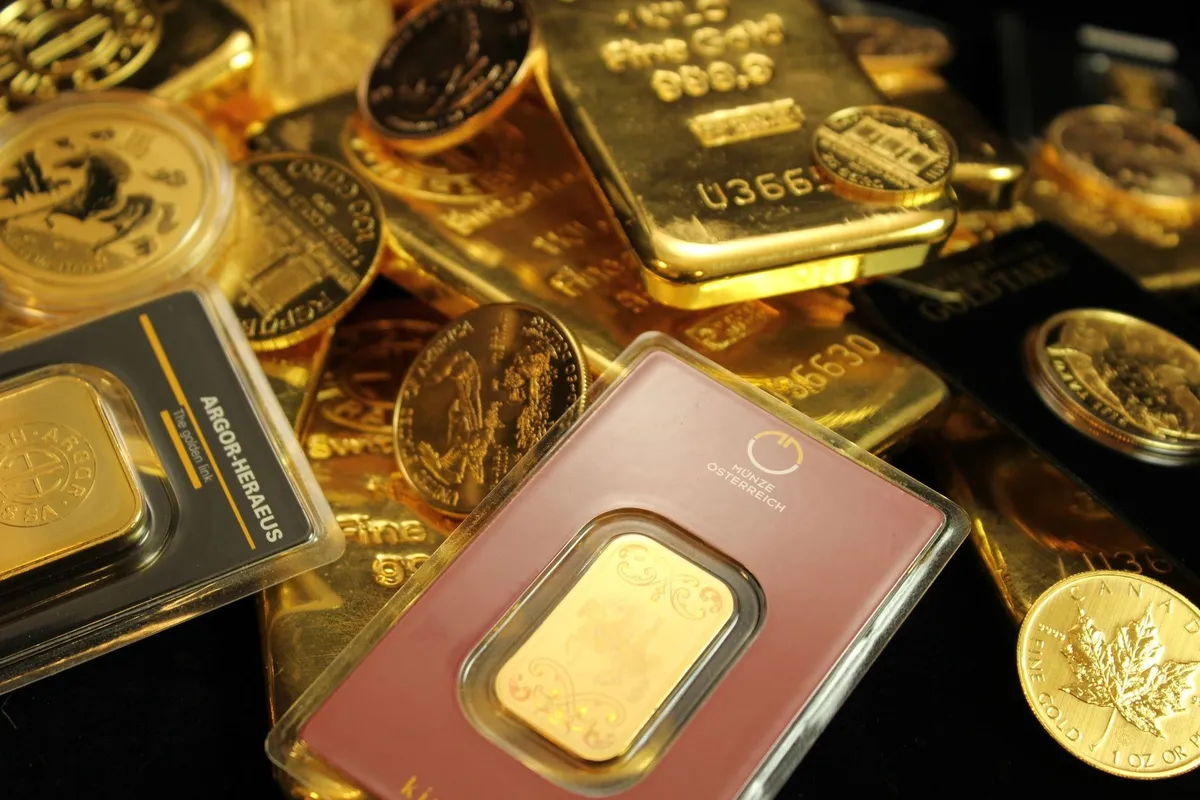
Here’s something most sellers don’t realize: the brand and condition of your bar matters more than you’d think. A PAMP Suisse, Valcambi, or Perth Mint bar with intact assay card packaging is going to get a better reception than an unbranded or obscure bar of the same weight. Why? Because well-known refiners are easier to verify and faster to resell. The dealer takes on less risk, and that often translates into a better offer for you.
Condition matters too, but not in the way jewelry does. A gold bar doesn’t need to be pristine, gold is gold. What matters is that the bar hasn’t been tampered with and that its weight and purity can be confirmed quickly. Keeping your original packaging and assay certificate is genuinely worth something. Sellers who show up with documentation in hand tend to move through the process faster and with fewer questions asked.
If you’re curious about how different types of bullion compare in terms of value and liquidity, this guide on understanding the different types of bullion breaks it down in plain terms.
Why Selling in NYC Gives You Real Leverage
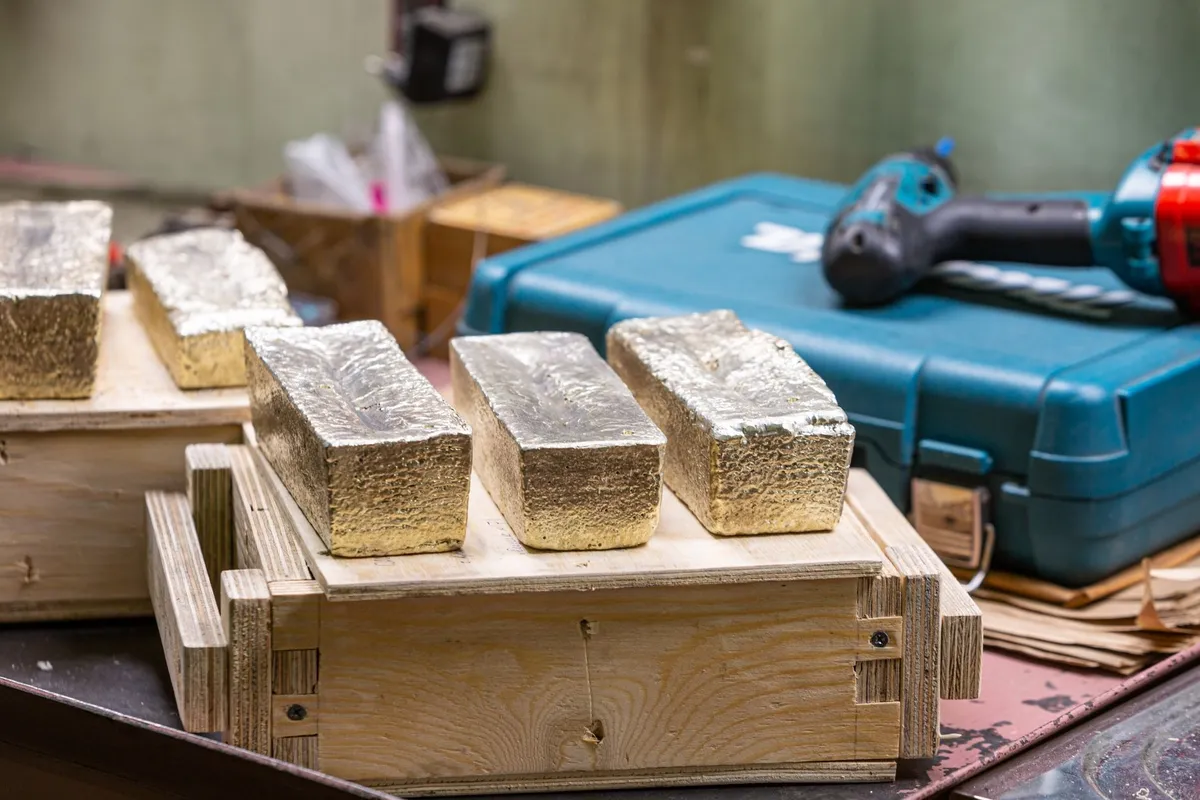
New York City is one of the most active bullion markets in the country. That matters when you’re selling because competition between dealers keeps buy prices honest. You’re not stuck with one option in a small town, you have choices, and smart sellers use that to their advantage.
That said, not every dealer operates with the same level of transparency. Some will lowball you hoping you don’t know the spot price. Others will add vague “processing fees” that quietly eat into your payout. The dealers worth your time are the ones who explain their pricing clearly, show you the math, and don’t pressure you into a decision on the spot.
At 47th Street Bullion, located in Midtown Manhattan, the approach is straightforward, competitive pricing, no hidden fees, and staff who actually explain what they’re offering and why. Customers who’ve been through the process there consistently mention how refreshing it is to deal with people who treat them like adults rather than marks. That kind of transparency is what you should be looking for regardless of where you go.
Timing Your Sale Can Put More Money in Your Pocket
Gold prices move constantly, and while nobody can time the market perfectly, paying attention to broader trends can work in your favor. Gold tends to rise during periods of economic uncertainty, inflation anxiety, or geopolitical tension. If you’re not in a rush to sell, watching the market for a few weeks can sometimes mean a meaningfully better payout.
That said, don’t let perfect be the enemy of good. Trying to time the absolute peak is a losing game even for professionals. If the price is strong and you’re getting a fair offer, that’s usually the right moment. Holding on hoping for another 5% gain while risking a 10% pullback is a gamble most sellers don’t need to take.
If you’re weighing whether to sell now or hold your position as part of a longer investment strategy, it’s worth reading up on why gold bars remain a compelling investment choicesometimes the smarter move is holding rather than liquidating.
The bottom line is this: selling gold in New York doesn’t have to be stressful or confusing. Know your spot price, bring your documentation, choose a dealer who’s upfront about their numbers, and don’t let anyone rush you. The sellers who do their homework consistently walk away with better outcomes, and that’s true whether you’re selling one bar or twenty.
Frequently Asked Questions
How do I know if a dealer’s offer is fair before I walk in the door?
Check the live spot price that morning and write it down, that number is your baseline for every conversation you have with a dealer. A reputable NYC dealer should offer you something within a few percentage points of that figure, and they should be able to show you the math behind their number without hesitation. If the offer is around 80 cents on the dollar with no clear explanation attached, that’s your cue to leave.
Does it actually matter which refiner made my gold bar, or is gold just gold?
It matters more than most sellers expect. Bars from well-known refiners like PAMP Suisse, Valcambi, or Perth Mint are easier for dealers to verify and faster to resell, which means the dealer takes on less risk, and that often works out to a better offer for you. An obscure or unbranded bar of the same weight may still sell, but don’t be surprised if the process takes longer or the offer comes in lower.
What should I bring with me when I visit a dealer in NYC?
Bring your original packaging and assay certificate if you still have them, sellers who show up with that documentation move through the process faster and tend to get fewer questions asked about the bar’s authenticity. The bar itself doesn’t need to look pristine, but it should be untampered with so its weight and purity can be confirmed quickly. Think of the paperwork as something that actively works in your favor, not just a formality.
Should I visit more than one dealer before deciding where to sell?
Yes, and the NYC market actually makes that practical, there’s enough competition between dealers in the city that shopping around keeps buy prices honest in a way that simply isn’t possible in smaller markets. Watch out for dealers who add vague processing fees that quietly reduce your payout, since those can be harder to spot than a straightforward lowball offer. The dealers worth your time are the ones who explain their pricing clearly and don’t pressure you into a same-day decision.
Is there a right time to sell, or should I just go whenever I’m ready?
Gold prices shift constantly based on things like inflation anxiety and geopolitical tension, so if you’re not in a rush, watching the market for a few weeks can sometimes mean a noticeably better payout. That said, trying to time the absolute peak is a losing game, if the price is strong and you’re getting a fair offer, that’s generally the right moment to act. Holding out for another 5% gain while risking a 10% drop is a gamble most sellers don’t actually need to take.
Leave a Reply