
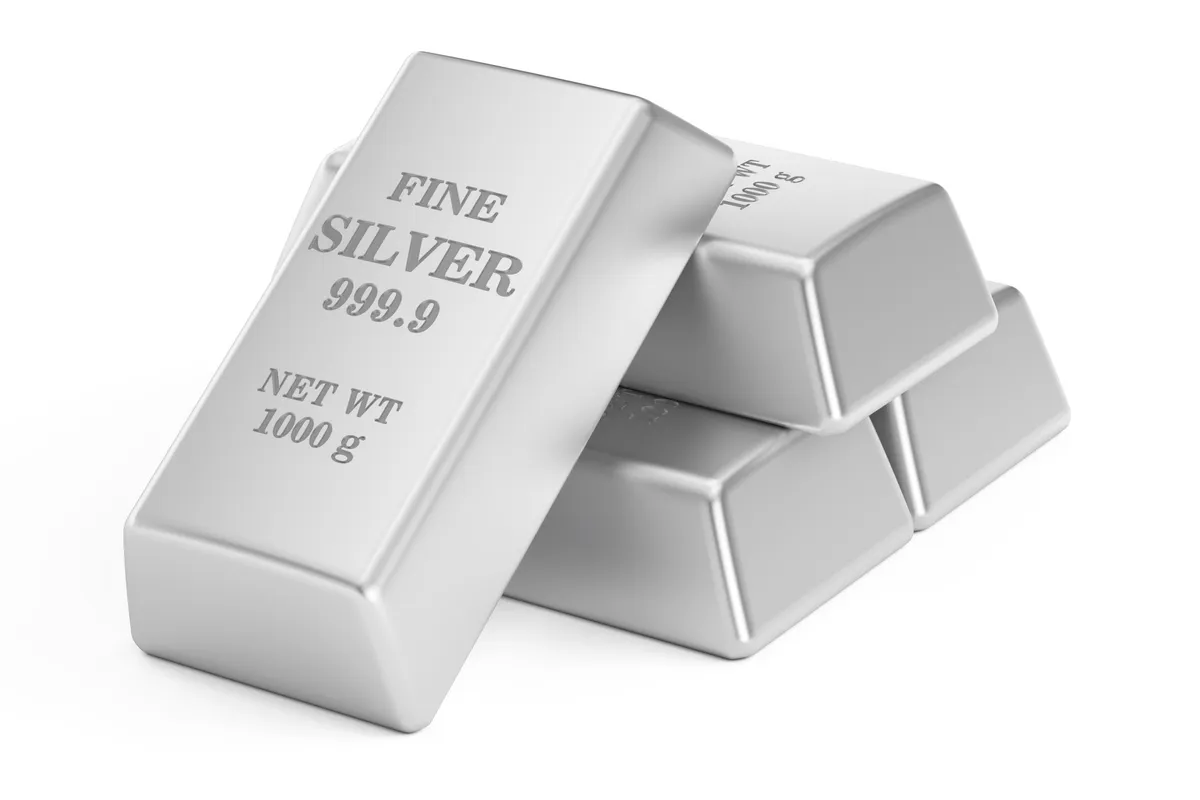
Silver has quietly become one of the most talked-about assets among everyday investors, and if you’ve been thinking about where to buy silver bars NYCyou’re asking exactly the right question at exactly the right time. The market has shifted, premiums have fluctuated, and not every dealer in this city is offering the same quality, transparency, or value. Knowing where to look, and what to look for, makes a real difference to your bottom line.
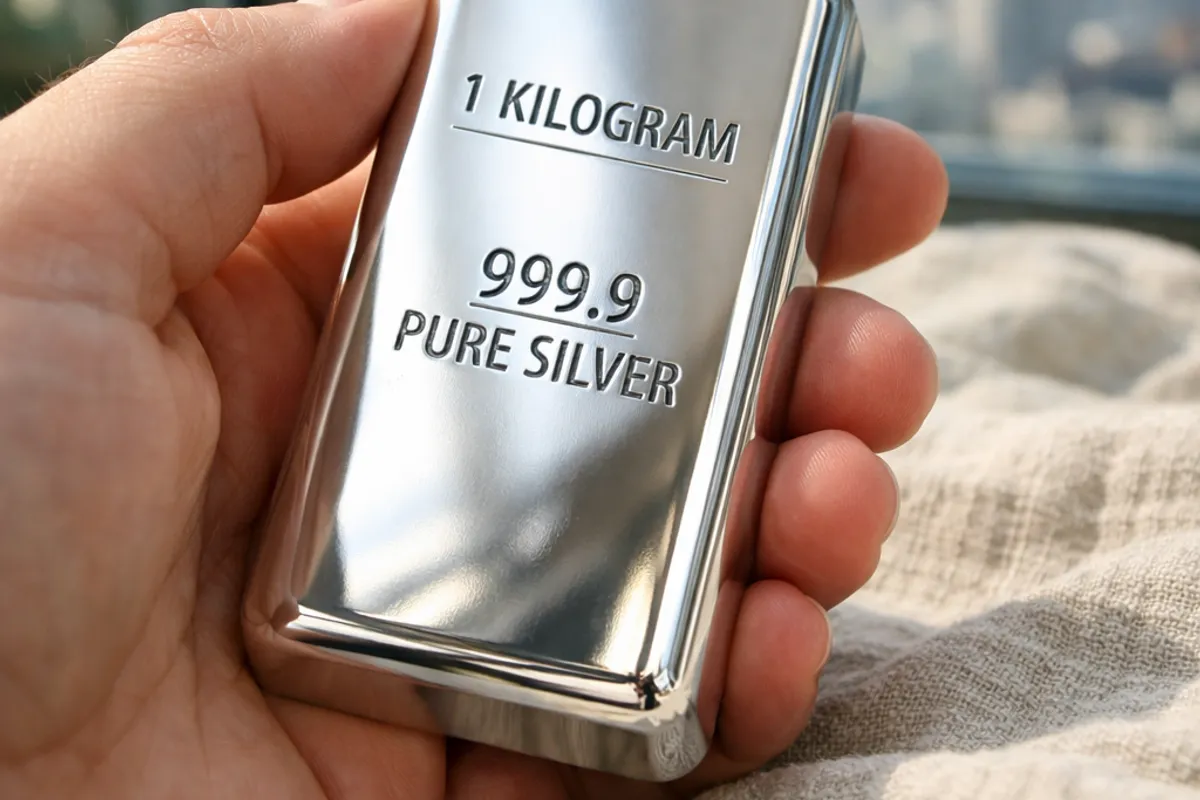
Silver Bars Are Not All Created Equal
Walk into any reputable dealer and you’ll quickly realize that silver bars come in a surprising range of sizes, purities, and mint origins. The most common weights you’ll encounter are 1 oz, 10 oz, and 100 oz bars, with the larger formats typically carrying lower premiums per ounce. That’s not a small detail, it’s the kind of thing that separates a smart purchase from an expensive lesson.
Purity matters just as much as weight. Most investment-grade silver bars carry a .999 fine silver stamp, meaning 99.9% pure silver. Some premium bars from mints like PAMP Suisse or the Royal Canadian Mint go to .9999. For most investors.999 is perfectly solid. But if you’re buying for long-term holding or resale, sticking to well-recognized mints gives you better liquidity when the time comes to sell.
One thing experienced buyers stress repeatedly: always verify the hallmark, weight, and assay certification before you hand over any money. A reputable dealer will welcome that scrutiny. One who doesn’t is telling you something important.
What the Spot Price Doesn’t Tell You
A lot of first-time silver buyers walk in assuming they’ll pay exactly what they see on a live spot price ticker. That’s not how it works. The spot price is the raw commodity price, the premium on top of that is where dealers cover their costs and make their margin. The question is whether that premium is reasonable.
In a city like New York, overhead is real. Rent, security, insurance, staffing, it all factors into what you pay. But that doesn’t mean every dealer is justified in charging whatever they want. Competitive dealers keep premiums tight, especially on larger bar formats, because volume matters more than squeezing every transaction.
When comparing prices across dealers, always calculate the cost per ouncenot just the sticker price on the bar. A 10 oz bar at a lower per-ounce premium will almost always beat buying ten 1 oz bars separately, even if the total dollar amount looks bigger. This is the kind of math that pays off over time, especially if silver continues its upward trend. If you want a deeper look at how silver fits into a long-term financial plan, this guide on buying silver bullion for your financial future is worth reading before you make your first purchase.
Why Buying Local in New York City Actually Has Advantages
Online dealers get a lot of attention because of their pricing, but buying locally in NYC has real, practical benefits that don’t show up in a price comparison chart. You can physically inspect what you’re purchasing. You can ask questions and get straight answers. And if something goes wrong, you’re not dealing with a shipping dispute or a return policy buried in fine print.
There’s also the question of timing. When silver prices move sharply, and they do, being able to walk in and transact the same day matters. Online orders can take days to process and ship, and in a volatile market, that lag has a cost.
47th Street Bullion, located in Midtown Manhattan, has built a reputation among local investors for straightforward pricing and knowledgeable staff. Customers who’ve worked with them consistently mention that the experience feels more like talking to someone who actually understands the market than a typical retail transaction. That kind of trust is hard to put a dollar figure on, but it’s worth a lot when you’re making a significant purchase.
It’s also worth noting that buying locally keeps you from paying shipping and insurance fees, which on larger silver orders can add up faster than most people expect. A 100 oz silver bar isn’t something you want traveling through the mail system without proper coverage, and that coverage isn’t free.
Timing Your Purchase Without Overthinking It
Silver investors love to debate timing. Should you wait for a dip? Dollar-cost average? Go all in when momentum is building? The honest answer is that nobody consistently calls the market perfectly, not retail investors, not institutions, not anyone.
What experienced buyers tend to do instead is focus on why they’re buying silver rather than obsessing over the exact entry point. Silver serves as a hedge against inflation, a store of value during economic uncertainty, and a tangible asset that holds up when paper investments get shaky. Those fundamentals don’t change based on whether you bought on a Tuesday or a Thursday.
That said, keeping an eye on the premium environment does matter. When physical demand spikes, during market panics or supply disruptions, premiums can balloon well above their normal range. Buying during calmer periods, when premiums are tighter, is a legitimate way to get more metal for your money without needing to predict price direction. For investors who are also weighing gold as part of their portfolio, this breakdown of why gold remains a strong investment choice offers useful context for thinking about both metals together.
The bottom line is straightforward: find a dealer you trust, understand what you’re paying and why, and buy with a clear purpose. Silver has rewarded patient, informed buyers for a long time. There’s no reason that changes now.
Frequently Asked Questions
What silver bar sizes are actually worth buying if I’m just starting out in New York?
The article points to 1 oz, 10 oz, and 100 oz bars as the most common formats you’ll find at local dealers, and the math strongly favors larger sizes because the premium per ounce drops as the bar gets bigger. For most first-time buyers in NYC, a 10 oz bar from a recognized mint hits a reasonable middle ground, it’s manageable in terms of upfront cost while still giving you a better per-ounce rate than buying ten separate 1 oz bars. Going straight to a 100 oz bar is worth considering if you’re comfortable with the total dollar commitment, but factor in that storing and eventually reselling a bar that size requires a bit more planning.
How do I know if the premium a Manhattan dealer is charging is actually fair?
The key move the article recommends is calculating cost per ounce rather than looking at the sticker price on the bar, because that’s the only number that lets you compare across formats and dealers honestly. NYC dealers do carry real overhead, rent, security, insurance, staffing, so some premium above spot is expected and legitimate, but competitive dealers keep it tight, especially on larger bar formats where volume matters more to them than squeezing margin on a single transaction. If a dealer’s per-ounce number looks significantly higher than others in the city without any clear reason, that gap is worth questioning before you commit.
Why would I buy from a local NYC dealer instead of just ordering online where prices sometimes look cheaper?
Online pricing can look attractive on paper, but shipping and insurance on something like a 100 oz silver bar adds costs that aren’t always obvious upfront, and the article specifically flags that those fees add up faster than most buyers expect. Beyond the money, buying locally means you can physically inspect the bar, check the hallmark and assay certification in person, and walk out the door with your purchase the same day, which matters when prices are moving. If something goes wrong with an online order, you’re dealing with a return policy and a shipping dispute; with a local dealer, you’re talking to an actual person.
What should I physically check on a silver bar before handing over my money?
The article is direct about this: verify the hallmark, the weight, and the assay certification before any money changes hands. The hallmark tells you the mint origin, the weight stamp confirms what you’re actually getting, and the assay certification is the independent verification that the purity claim, typically .999 fine silver, is accurate. A reputable dealer will not only allow that scrutiny but welcome it; if a dealer seems uncomfortable with you checking those details, the article treats that reaction itself as a warning sign.
Does it make sense to wait for silver prices to drop before buying, or is timing really that important?
The article’s position is straightforward: nobody consistently calls the market correctly, so obsessing over the perfect entry point tends to matter less than understanding why you’re buying in the first place, inflation hedge, store of value, tangible asset. What does make a practical difference is watching the premium environment rather than the spot price alone, because when physical demand spikes during market panics or supply disruptions, premiums can balloon well above their normal range. Buying during calmer periods when premiums are tighter is a concrete way to get more metal for your money without needing to predict which direction prices are heading.
Leave a Reply